Construction Presentation Training for Project Teams

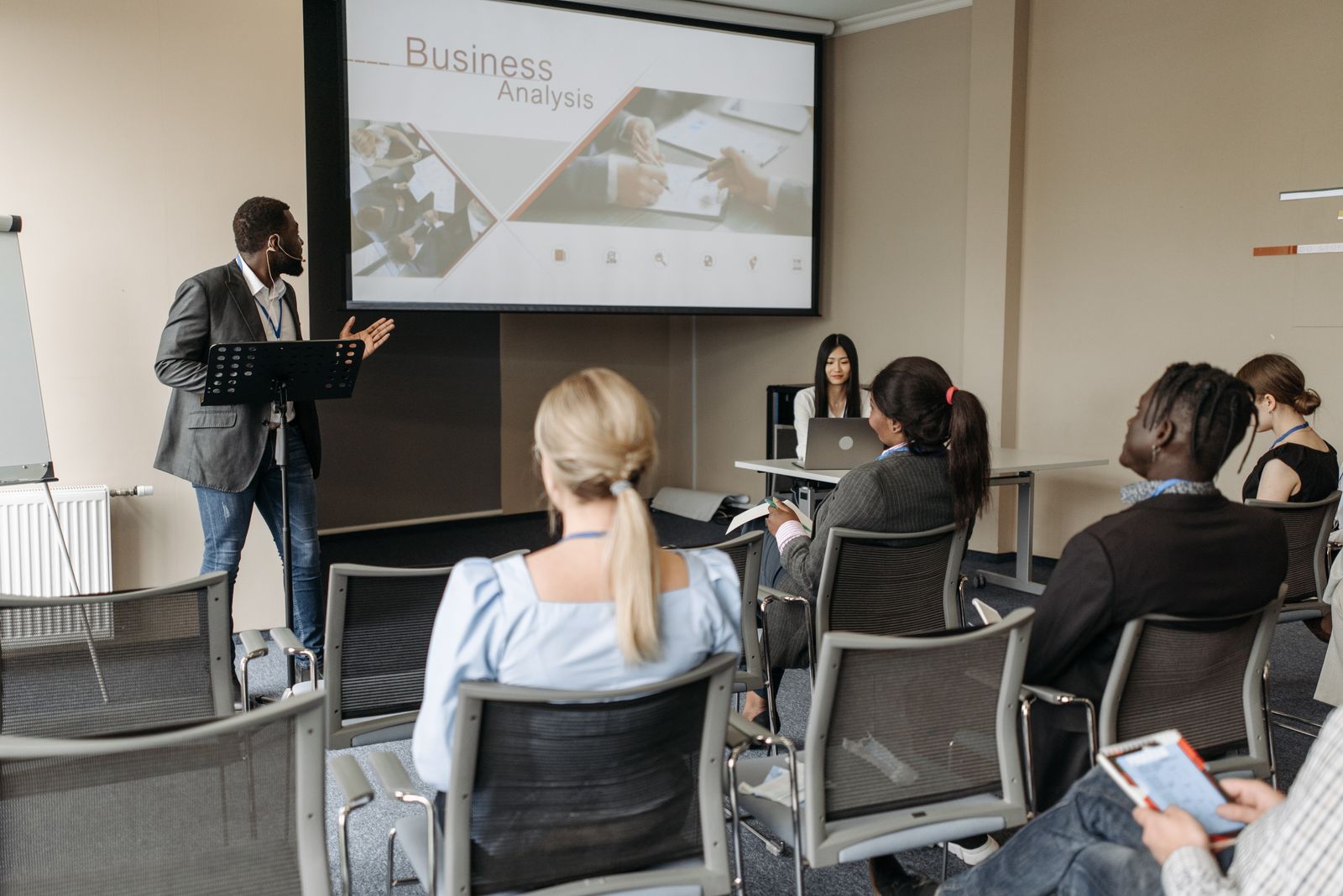
Construction professionals are hired for their ability to build, not to present. Yet pursuit interviews put project managers, superintendents, and estimators in front of owners and ask them to explain a plan in minutes. Presentation training for construction teams addresses that mismatch directly, and it tends to pay back quickly because every pursuit uses the skill.
Start With What the Team Already Knows
Field-experienced people have strong material. They know how a site really runs, where schedules slip, and what an owner should worry about. Training begins by drawing that knowledge out and organizing it. A superintendent who can explain a crane sequence from experience is more convincing than any slide, provided the explanation is structured and short.
Practice Clear Structure and Control Nerves
Many technical presentations fail because they follow the order the presenter thought about the project, not the order the audience needs. Training introduces simple structures: state the point, support it, and move on. For a construction team, that might mean one section each for schedule, logistics, safety, and risk, with a consistent way of opening each one. Predictable structure makes complex content easier to follow, and it also calms nerves, since anxiety usually comes from uncertainty about what comes next. Rehearsing the opening, the transitions, and the close removes most of that. Training sessions use timed run-throughs so presenters learn how long their material really takes. Knowing the first minute cold gives a presenter momentum for the rest.
Present as a Group With Specific Feedback
Pursuit teams succeed when handoffs are clean. Who introduces the next speaker, who owns which question, and how the team behaves while a colleague speaks all affect how the committee sees them. Group practice builds these habits and exposes weak links before the real interview. Teams that rehearse together also tend to give more consistent answers under questioning. General praise does not help, though. Recorded sessions with specific notes do: where the presenter rushed, where jargon crept in, where eye contact dropped. Two or three rounds with changes between them show measurable progress. People usually surprise themselves with how fast delivery improves once they can see it.
Matching Training to Roles
A project executive, a project manager, and a superintendent need different things from training. Executives usually need help being concise and setting the context. Project managers need to explain schedule, cost, and risk without drowning the audience in numbers. Superintendents need confidence describing field operations to people who have never run a site. Tailoring sessions to these roles makes them more useful than a single generic workshop, and it helps each person find a style that sounds like them.
Building Training Into the Pursuit Cycle and Measuring the Return
The best time to train is before a pursuit is under pressure. Short sessions scheduled between bids, using material from a recent interview, give people room to experiment. When a real interview approaches, the team can then focus on content because the delivery habits are already in place. Firms that make this routine report that new project managers become effective presenters in months, not years, because they learn from every pursuit. Training should also connect to results the firm cares about: shortlist conversion, interview scores where debriefs are available, and the confidence of the team. Track these over several pursuits and adjust the program. Even a modest improvement in win rate usually outweighs the cost of the sessions, since a single project often represents millions in revenue.
The Bottom Line
Presentation training for construction teams does not turn builders into performers. It helps them communicate what they already know in a form owners can follow and trust. The investment is modest compared with the value of a single won pursuit.